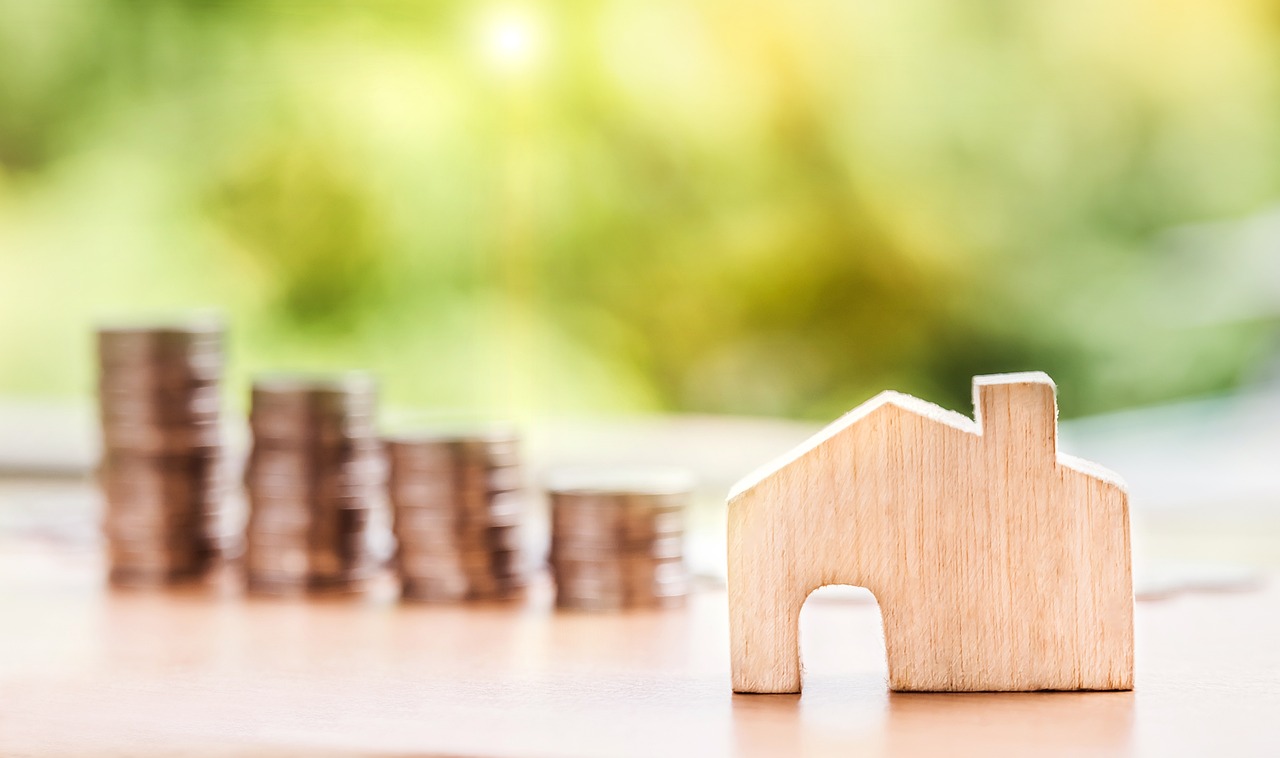
I suppose one of the harder questions people face in the red hot housing market is: when do I know I’m paying too much for a house? To be sure, it is a difficult question to answer, so I’m going to toss out an idea. Take your proposed house value times by 4%, divide the result by 12. That should be around a monthly payment, without property taxes, that you feel you can afford.
So where the hell did this 4% number comes from? Well in retirement planning the safe withdrawal rate is about 4% for the typical retirement. Meaning you can take about 4% of your assets out each year adjusted for inflation and likely not run out of money before you die. Therefore extending the idea a bit assume your house has to meet the same standard. By paying off your home you should get a monthly savings of 4% of your house value. Of course if you get a cheaper house and pay it off faster you could beat this, but lets put the 4% rule as the floor.
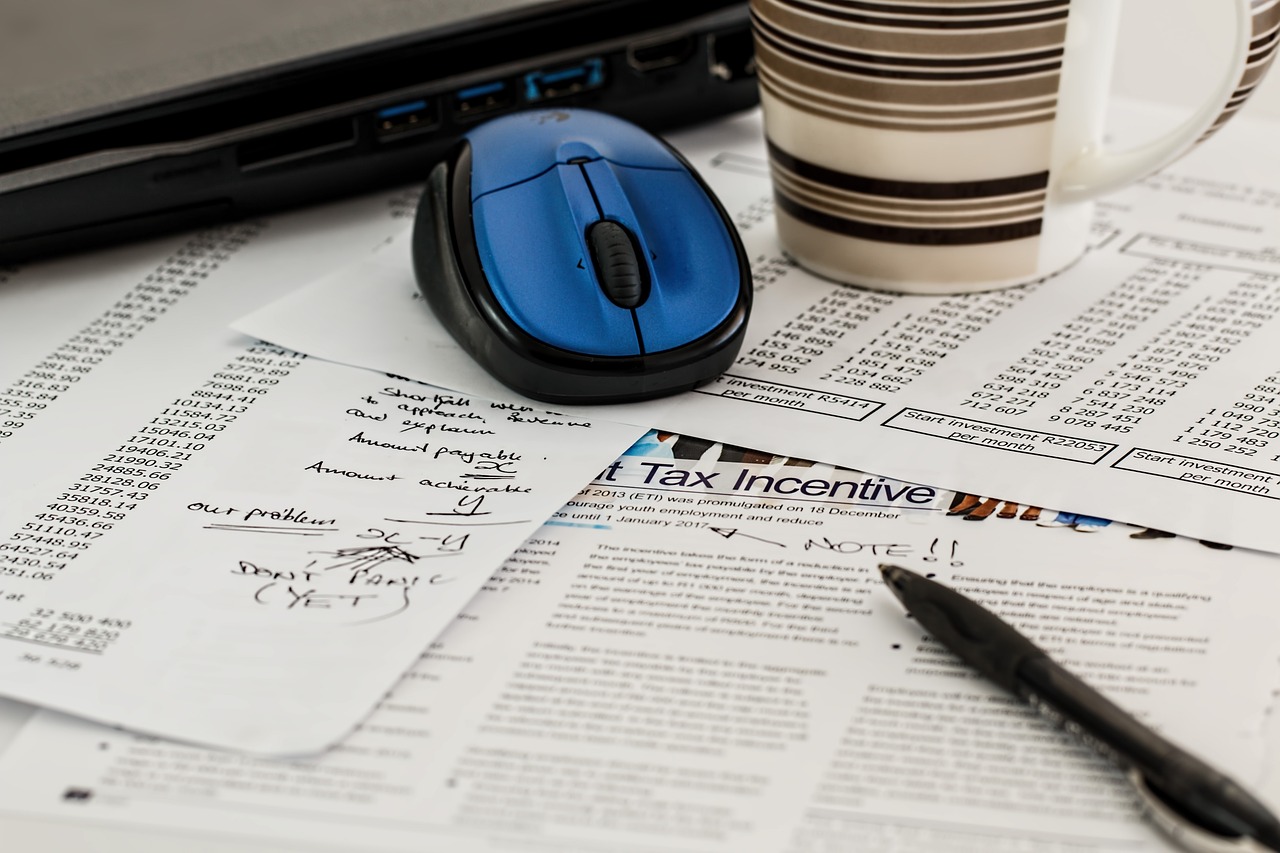
So if you use the 4% idea and then assume 1% of house value for property taxes and $100/month heating you can create a table based on 32% of your gross income for housing and can determine the most house you can afford for your income. See below for details.
So as you can see from the table below you likely shouldn’t buy a house worth over$600,000 unless you make over $100,000/year as a family. Then when you consider the median household income in Canada is about $53,000, that implies that most people should be in the low $300,000 or cheaper range.
So what do you think of the 4% rule for housing? Good idea or am I out to lunch?
I’m seeing lots of ‘for sale’ signs in the city lately, but apparently this is common right now. What is some what weird is the huge variation on pricing I’m starting to see on some listings in Regina. For example, there is a similar size house not to far from me listed for $380,000, then another house with about 100 extra sq ft going for $440,000. Trust me when I say I looked at the pictures for both places and they are not that different inside.
So what the hell is going on? I suspect we are hitting another housing fever similar to the spring of 2008 when my house value went through the roof and then crashed back down afterward. If you are curious what that looked like go check out any net worth post with graphs you can see what the bubble of house value did to my net worth. What gets me about this every time housing values get near the $400,000 range is I feel like I moved to an upscale area, but I didn’t leave my house. I keep looking around and thinking ‘you paid WHAT for that?’ Even with adjusting for inflation 2% per year my house should only be worth about $205,000 from what I paid for it.
What’s really interesting to me about this is when I talk to any of the new neighbours they are not much different than us. They make a decant living, but they are not rich. So how are people paying for these over priced houses? Good old fashion debt and lots of it. This is then driving two interesting consequences: one we have a lot of people who are vulnerable to interest rate increases over a five year cycle and second that’s a lot of potential retirement savings being used to pay the mortgage. No wonder retirement savings rates and balances are crap in Canada. We are putting everything we have into our houses.
So is this the classic case of unintended consequences in action? Perhaps the plan to encourage home ownership and boost economic activity, but over the long haul all the government has encouraged is making a mortgage payment instead of making an RRSP contribution. The net result is we aren’t actually increasing the GDP, we are just moving future home ownership from the future to now and getting a short term boost. Over the long run the banks will do well on mortgages but everyone else won’t be doing much other than paying the mortgage.
At the end of the day I’m thankful for buying what I did when I did it. That way I won’t be stuck paying off debt for the next decade or two. I do feel sorry for anyone who is getting in right now since they are losing so much of their future freedom to just a mortgage payment.
In order to keep this from again causing a little bubble in my net worth I’m freezing my house valuation at the Feb. level. If it goes down from there I’ll adjust it, but I won’t be taking it up. I might remove the freeze after things settle down again.
So how’s the housing market in your part of the world? Are they just as over priced as here or have you already seen your peak and are heading down?
I’ve got to be a very small minority in Canada right now: I actually want interest rates to start to rise. Yes I’m ready for those higher interest rates that every economist in the country is predicting over the next few years (I have noticed a wild differences on the details of when and how much).
Well how bad is the rate speculation right now? Well I haven’t been keeping score but I’ve seen predictions from a 1.5% increase by 2011 up to a 5% increase for that same time frame. To be honest I don’t think anyone can really know. Raising rates is a reactionary event to the data available at that time, so predicting the when/how much is sort of like gambling.
Unlike a lot of people a rise in rate won’t be a negative for me. I have no balances on my line of credit or credit card. I just signed a five year fixed rate mortgage just last year so I’m not worried about the short term rate increases. Also I’m well on my way of paying off the mortgage before my current term ends so I don’t really worry about how high or fast rates go up in the medium term.
On the other hand I will have a large free cash flow that I can start investing into GIC’s as rates come up and I pay off the mortgage. One little game I will have to watch out for is if the rates come up fast and high I might want to invest in GIC’s more than my mortgage is the rate spread gets too big (ie: I’m getting paid significantly more for a GIC over a mortgage payment). Obviously if I play that game I’ll have to still make sure I pay off the mortgage by the end of my current fixed rate term to avoid getting burned with higher rates myself.
So what if you aren’t ready yet for the higher rates? Here are a few ideas on what to do.
Pay off variable rate debt. Lines of credit, margin accounts…just about anything linked to the prime rate should be paid off if you can in a short time frame (less than a year). If you can’t pay it off in the short run, look at your highest variable rate debt and go after that one first.
Consider locking in your mortgage rate. I used the word ‘consider’ for a reason. This is worth a look, but not everyone should do it. For example, if you have a dirt cheap variable rate and can handle the higher payments you might want to take the risk of rising rates in order to pay off more of your principle in the mean time. I personally didn’t want to play that game so I went to a lock in rate last year. It was a personal choice for me.
Have some savings. To avoid adding new variable rate debts make sure you have some savings on hand for those little accidents in life. Also you will want to get in the habit of delayed gratification and saving for something before you buy it.
If any of the above suggestions sound familiar they likely are because just about every personal finance blog you have ever read says these same things. It’s just a bit more important now that you start listening when the negative consequences of too much debt is about to get a bit more painful in the next few years.
So are you ready for higher interest rates? Is so, why? If not, why not?
I am not god. I am a mere mortal as such my reality is defined by my own views. So your reality might not resemble mine because of your views. As such all opinions, ideas and investments on this blog might not work for you as they did for me. Be a big person and do your own research and make up your own mind before trying something. You might need to contact a local professional for advice.